By: Laura Linga
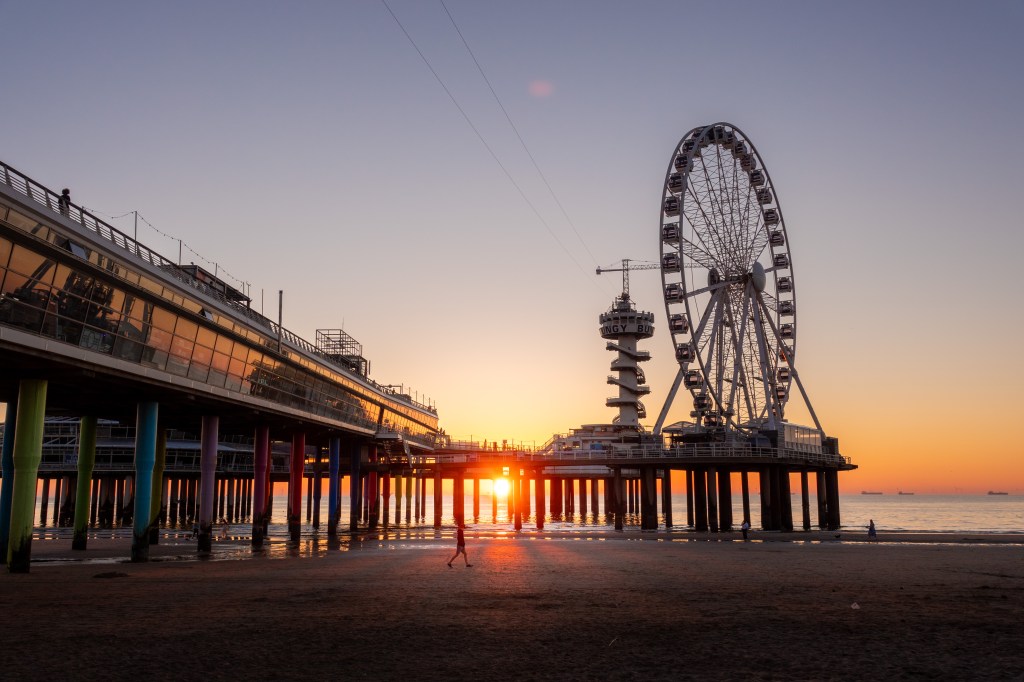
Let’s be honest: when you first land in The Hague, you see a hundred “Top 10 Tourist Attractions” lists. You know the ones: the Peace Palace, Scheveningen Pier, the Mauritshuis. They’re great, but they don’t help you figure out how to live here.
As a fellow international who navigated the initial confusion and culture shocks, this isn’t that guide. This is the honest, no-fluff survival kit I wish someone had handed me.
Forget visiting The Hague; this is your first chapter in living in The Hague, from decoding the public transport to finding that hidden local bar that instantly makes you feel like you belong.
The absolute essentials
Mastering Public Transport
A lot of people say the best tool to survive in a new city is to learn a bit of the language. I’d say no. I think many newcomers can agree: You need an OV-chipkaart, period. This travel card subscription allows you to get from point A to B seamlessly, and let’s face it, most of us don’t have a car ready.
Heads up on tapping in: They are increasingly pushing the use of bank cards (debit/credit) for check-in and check-out, replacing the traditional OV-chipkaart for train, tram, and bus travel. Just don’t forget to check out/tap out every time you finish your journey, otherwise, you could incur high fees. This system is expanding in the coming months, and prices/fines are increasing.
If you’re into the traditional lifestyle, get a Personal OV-chipkaart if you’re staying long, or at least understand the reizen op saldo (traveling on balance) system.
Getting around with public transport makes you really connect to the city, especially if you can take a tram or bus. The metro doesn’t allow you to do that, there’s no scenic view, come on! The Hague is definitely viewable with tram and bus.
My best tram trip is Tram 1, if you your start a journey from the Centrale Bibliotheek (Spui) all the way to Scheveningen Noord, where you pass by the Binnenhof, Plein 1813, the Peace Palace, and the Scheveningse Bosjes. You’ll discover and see beautiful architectures plus nature.
Pro-tip: This tram line comes from Delft, so imagine living in another city and this tram gets you to the most historic and important part of The Hague.
The Bureaucracy Hack
The bureaucracy is real, but it’s efficient. Book that municipality (Gemeente) appointment early. Get your BSN (Citizen Service Number) as fast as you can.
I remember when I first moved to The Hague, I had to register my address, a mandatory step here in The Netherlands to be recognized as a resident. You actually have to be registered at the address you’re living at, just living here is not enough.
Since The Hague is large, there’s more than just the city hall office. I had to go to one of their district offices to do the face-to-face registration in Segbroek (Fahrenheitstraat 190). Others include the Leyweg City Office (Escamp) and the Laak district office (Slachthuisplein 25). Check the website denhaag.nl for opening hours and addresses.
My personal advice: Always respond to emails/letters promptly, and learn the phrase “Ik heb een afspraak” (I have an appointment) for instant relief at any office.
Healthcare Must-Do: Registering Your Pharmacy
If you don’t know yet, you must register with a local pharmacy, either close to your place or within your address range. I was quite stunned this system exists! Your GP needs to know and be aware of your chosen pharmacy’s address because all prescriptions are sent directly there electronically. You’ll then receive a notification that your medication is ready for pickup, and you usually have a few days to collect it.
For refills or new orders, the convenience is that you can often just call them, and they’ll handle the process, notifying you when it’s available. While this system can be convenient, it’s a huge shift from being able to walk into any pharmacy with a paper prescription (like the system in my home country). It’s an essential first step to sorting out your health admin here.
Daily Life: Groceries and Getting Around
Grocery Secrets
Yes, AH (Albert Heijn) is everywhere, but don’t stop there. For better prices and a global selection, hit Lidl or Aldi. And if you want an alternative to AH, Jumbo is highly recommended; they’re affordable and often have discounts that fit an affordable-yet-quality vibe.
For fresh, seasonal produce, skip the supermarket and go straight to the Haagse Markt. It’s chaotic, loud, and fantastic, the most authentic Haagse experience you’ll have all week, and you’ll save a fortune.
For Asian food lovers or asian residents, the Amazing Oriental grocery store is a must-visit. You’ll find everything from specialty soy sauces to all kinds of dumplings. Plus, they usually have a small eatery where you can grab some quick bites.
Pro-tip: If you have a car or live near Ypenburg, there is one of the biggest Amazing Oriental stores, which also includes a restaurant inside. As an Asian food lover, it’s heaven!
If you’re pretty lazy or dependent, especially if you’re a student, Picnic is your best friend. They deliver from early morning to late evening, and you can still add or remove products from your order up to a few hours before delivery time.
Insider Tip: I also discovered that places like ACTION even have food products like Asian noodles, spices, condiments, chocolates, and other convenience items. They’re not just cheap but always on discount!
The Bike is Non-Negotiable
It’s not just transport; it’s a lifestyle. Invest in a decent second-hand stadsfiets (city bike), and two good locks! Check online marketplaces like Marktplaats. Learn the rules of the bike path, signal often (take out your hands all the time!), and for the love of all things Haags, do not stop in the middle of a bike lane. The Hague is not as extreme or chaotic as the biking culture in Amsterdam, so give yourself a bit of comfort and don’t worry too much.
Swapfiets is also an option if you are comfortable with a monthly subscription and have the budget. You rent their bike, and if things go wrong (like a stolen bell or saddle), they replace or fix the bike. Note: If your bike gets stolen, make sure you still have the key so you only pay a few euros as a fine, but if you lose the key too, then you’re in big trouble.
Finding Your Place: Culture & Community
The Local Workspace Vibe
Skip the international chains for your workspace. The Hague is full of cozy, indie cafes perfect for a laptop and a strong koffie.
Look for places tucked away in the Zeeheldenkwartier or Statenkwartier. They’re quieter, often have better Wi-Fi, and you’ll start seeing the same friendly faces, the first sign you’re integrating!
● Wakuli is a great spot in a tucked-away neighbourhood where you actually feel at home. (Check their three Hague locations: Fahrenheitstraat, Piet Heinstraat, and Theresiastraat.)
● Van Maanen is rated as “a great place to work as a freelancer and relax”, a perfect starting point.
● If you prefer a city centre vibe, check out the area around Lange Voorhout and the street towards Denneweg. I personally recommend Vascobelo, it has a coworking spot inside, is rustic vibe, quiet, and has great sockets and Wi-Fi.
● At the heart of the center next to the fancy street of Noordeinde, you’ll see Coffee Company tucked in the corner. I personally love the very end spot the cafe where you can observe people walking while doing your own business.

Explore The Neighbourhoods
When you first arrive, it’s easy to stick to the center, but the city’s real character lives in its districts.
● Explore Zeeheldenkwartier for creative cafés and boutiques. Blue Parrot Cafe, for instance, has a relaxed vibe and baristas who genuinely connect with their customers.
● The Prins Hendrikstraat & Piet Heinstraat, which is part of Zeeheldenkwartier, is sort of like the artsy neighbourhood where you see lots of concept stores, aesthetic coffee spots, bakeries, and curated shops, a great alternative to the big city-center chains.
● Cycle through Regentessekwartier to get a true feel for local life.
For handmade jewelry with a cultural touch, check out places like Always Summer (in Zeeheldenkwartier), which features beautiful pieces handcrafted with inspiration from the Philippine islands.
Understanding Dutch Directness
It can feel harsh at first. A Dutch person telling you, “No, that is wrong,” isn’t being rude; they’re being efficient and honest. The cultural hack: Adopt a little of it yourself. Ask direct questions, expect direct answers, and don’t take it personally. It’s actually quite refreshing once you get used to it.
Community and The Social Scene
Find Your Gezellige Corner Bar
Tourists go to the big squares. Locals cherish their bruine cafés (brown cafés). These are the small, often dark, wood-paneled pubs where people go to talk, not just party. My favourites are usually tucked away in the side streets of the Hofkwartier. Find your stamkroeg (regular bar) and you’ve found a piece of true Dutch community.
Local Spots and Vibe Streets:
● My favourites are usually tucked away in the side streets of the Hofkwartier.
● One of my favourite spots in summer and autumn is the Bierkade and Dunne Bierkade streets. This whole street is so pretty during these seasons because of the long canal next to it and the big boats parked there. There is even a bar with outside seating on a boat, that’s Bierspeciaal Café De Paas.
● In late August, you can enjoy the jazz music festival that takes over the entire long canal stree, it’s fun and beautiful.
● Other great spots to try: Bartine, de Zoute Kater, Flora, restaurant ñ, Lapsang, Cafe de Oude Mol, Huppel the Pub.
The Secret Beach Escape
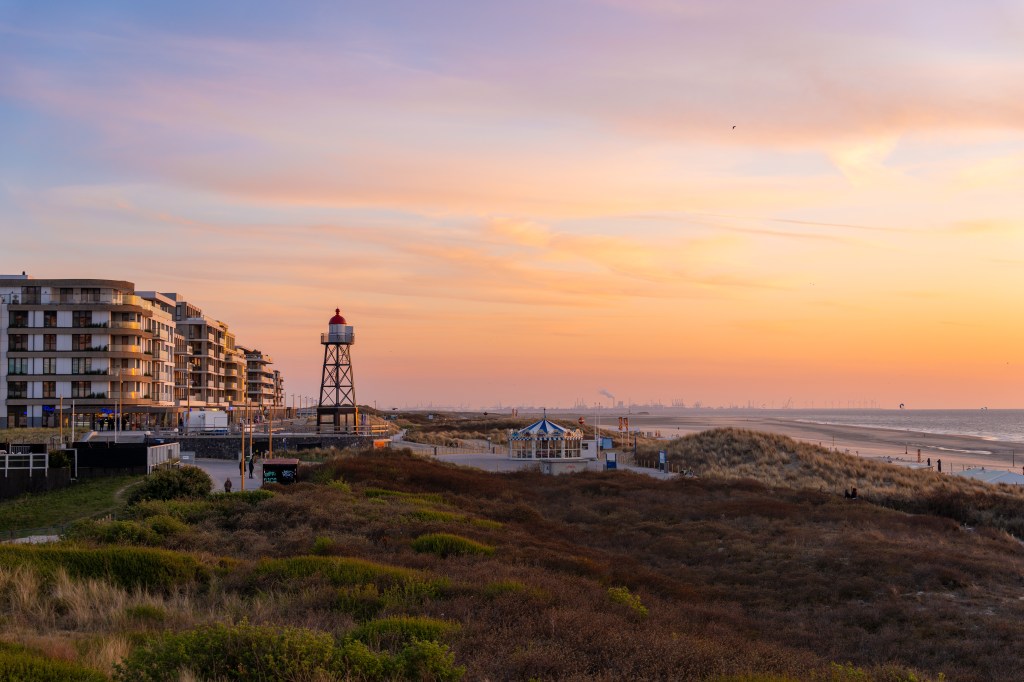
Everyone knows Scheveningen. Go there, sure. But for a calmer, less crowded, more local vibe, head to Kijkduin. It’s quieter, more natural, and still has great dunes and beach cafes in the summer. It’s where you go to genuinely relax and feel like you’ve escaped the city. Locals love the beach year-round, even for a quiet winter walk.
If you’re looking for music festivals, parties, and trendy beach clubs, head instead to Zwarte Pad. This area is more for youngsters and those looking for a high-energy, trendy local scene.
Community Hubs for Expats and Locals
To meet people beyond the workplace, look for:
● Meetups/Coworking: Join groups like The Hague Creators, The Photographers Club or look for events at places like The Social Hub.
● The Hague for Girls: A community on WhatsApp with over 400+ girls with chats for specific topics such as coffee meetups, volunteering, and cultural meetups.
● International Events: Check the main library’s calendar for international events or join local sports clubs.
The Final Note
Living in The Hague is about peeling back the international veneer to find a truly cozy, livable, and surprisingly community-focused Dutch city. It takes time, patience, and a lot of bike riding. Don’t just tick off the tourist spots; find your own local bakery, your own quiet park bench, and your own bruine café. Welcome to The Hague. You’ve got this.

About the writer: Laura
Originally from the Philippines, Laura Linga is a writer, host, and global communicator based in The Hague. Her work is guided by empathy and curiosity, seeking the authentic heart in narratives that connect us, from local communities to the Filipino diaspora worldwide. In The Hague, Laura is a familiar face with active presence: she is the Host and Project Lead of Volunteer The Hague Talks, one of the presenters of Den Haag FM’s Dutchbuzz, and the Communications and PR Manager for the International Film Festival The Hague.
Photo by: Dimitri Mainas
 twenty four the hague