An interview with Albi, assistant programmer at Het Nationale Theater.
Theatre is about connection. Between stories and audiences, performers and emotions. And in a city as international as The Hague, where cultures and languages intertwine, inclusivity in the arts has never been more important.
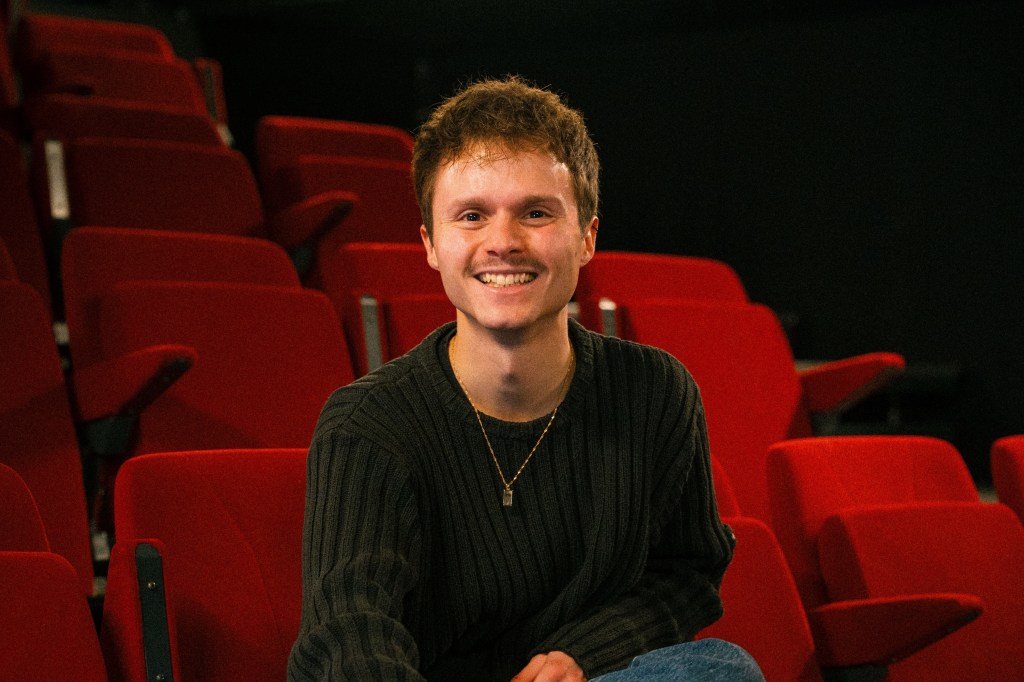
Backstage at Het Nationale Theater (HNT), that idea is being put into practice. With its Non-Dutchie Series, the theatre invites everyone to experience performances beyond language, while a new experiment with AI-powered smart glasses brings accessibility and innovation together. To learn more about how HNT is opening its doors to a broader audience, we sat down with Alberto (Albi), assistant programmer at Het Nationale Theater.
Albi: “I’m 26, Italian, but I grew up in Germany and lived in the UK and US before settling in the Netherlands in 2017,” he shares. With that international background and a passion for connection, Albi is helping redefine what it means to make theatre for everyone.

Making theatre more accessible
The Hague is home to people from all over the world, yet many internationals don’t find their way to the theatre. “Because theatre is mostly text-based and often performed in Dutch,” Albi explains. “At HNT, we need to change that, both in what we offer and how we offer it. So we’re actively working to expand our reach and make our stages more welcoming to all.”
For Albi, inclusion goes far beyond language. “Art plays a vital role in helping us process and understand the world around us,” he says. “It inspires us, challenges us, teaches us, and allows us to reflect. Everyone should be able to experience that, whether they’re blind, deaf, or simply don’t speak Dutch.”
The Non-Dutchie Series
One of Albi’s projects is the Non-Dutchie Series, a curated collection of six performances that don’t require knowledge of Dutch. “We created this series for internationals who want to experience theatre but feel limited by language,” he says. “It includes dance, visual art, multilingual performances, and English-spoken performances.
The Non-Dutchie Series isn’t just about attending performances, it’s about connection and conversation as well. “With each edition, next to the performance, there’s a talk or gathering, where you meet fellow internationals and sometimes the actors, directors, or other artists involved.”
But for Albi, the idea goes far beyond language. “I noticed that theatre often attracts a traditional audience, and I wanted to make space for people from different cultures, a space for unexpected encounters,” he says. “With this series, we hope the word spreads and more internationals discover that theatre in The Hague is becoming more and more international. And it works both ways: when more internationals join the audience, it encourages us to bring more international performances to the stage.”

Innovation: AI Smart Glasses
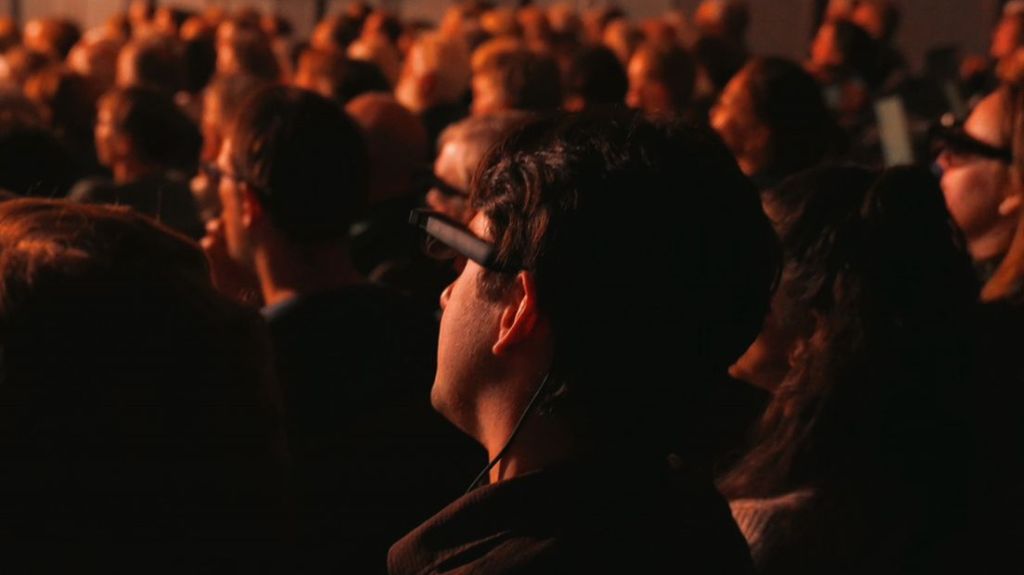
Inclusivity at Het Nationale Theater is also taking a bold technological leap forward with LiveText, a project that uses AI-powered smart glasses to provide real-time subtitles during performances. “To take inclusivity a step further, we’ve started introducing AI smart glasses during our performances,” Albi explains. “These glasses can transcribe or translate everything that’s being said on stage, instantly, and in more than 200 languages, from any language to any language. It means that someone who doesn’t speak Dutch, or someone who’s hard of hearing or deaf, can follow the performance live, in their own language, as it happens.”
Unlike traditional subtitles that are fixed above or beside the stage, these glasses display text directly in the viewer’s field of vision. “It’s much more personal and dynamic,” says Albi. “And because it’s realtime, they can even adapt to improvisation or mistakes on stage, something scripted subtitles and similar solutions can’t do. And users can customize their experience: adjust the text color, font size, even distance.”
The response has been positive. “There’s a lot of excitement,” Albi says. “We’re still developing, especially for non-Dutch audiences, but people are already eager to try it. For many, it opens doors that were previously closed. It’s creating new opportunities for people to experience theatre in their own way.”
Looking ahead
When asked what he hopes for the future, Albi pauses. “True inclusion means not having to take extra steps to belong,” he says. “It means the doors are open for everyone from the start.”
And that’s exactly what Het Nationale Theater, and Albi himself, are working toward: theatre for everyone.
 twenty four the hague